
Common and Uncommon Herbs to Avoid During Pregnancy
*Disclaimer: The advice on rhinoandlucy.com is not a substitute for consultation with a medical professional or treatment for a specific condition. You should not use this information to diagnose or treat a health problem without consulting a qualified professional. Please contact your health-care provider with questions and concerns.
During pregnancy, it’s important to be conscious of everything you’re putting in your body. We all know to be cautious about the common culprits (soft cheese, alcohol, caffeine), but a lot of people don’t realize there are herbs that aren’t safe for pregnancy. So before you ditch your cup of coffee for an herbal tea, make sure you know what ingredients are safe for pregnancy.
Many people forget that herbs are the oldest form of medicine on earth. Before the boom of the pharmaceutical industry, herbs were prescribed for many ailments. I like to think of herbs as Mother Earth’s way of taking care of her creations (us humans). It’s important we do not underestimate their power, and do not drink herbs “just for fun” without understanding their properties.
Some herbs to avoid during pregnancy might seem obvious, as they are uncommon and hard to come by. A few examples include Ashwagandha Root, Blue Cohosh, Catnip, Feverfew, and St. John’s wort.

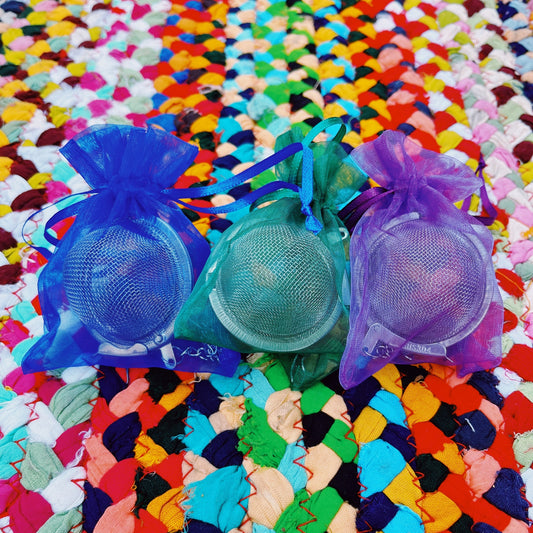
(Photo by Rhino + Lucy.)
But other herbs aren’t as obvious and are commonly used in food, herbal tea, and mocktails. In Western medicine, many of these herbs are often recommended during pregnancy to support morning sickness, upset stomach, headaches, and nausea. However, in Eastern medicine, and among many herbalists, herbs such as Ginger are not recommended during pregnancy, especially during the 1st trimester. This is due to their emmenagogue and potential abortifacient effects.
If you are pregnant, breastfeeding, or taking medication, it is best to limit consumption to no more than one cup of herbal tea per day. While most herbs are safe in small doses, it is still best to consult your healthcare practitioner before consumption, especially if you plan to consume them regularly or more than once daily.
A few common herbs to consider avoiding during pregnancy include Ginger, Lemon Balm, Peppermint, Rosemary, and Sage.

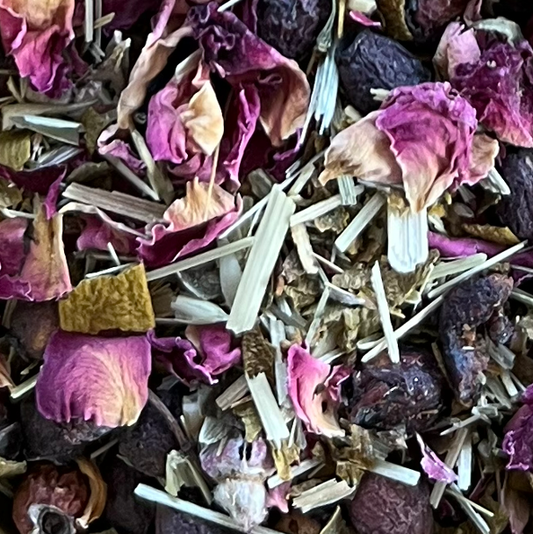
(Photo by Rhino + Lucy.)
If you’re interested in learning more about herbs and contraindications, I highly recommend reading “Herbal Contraindications and Drug Interactions” by Francis J. Brinker. Here are a few highlights from the book, referencing the common herbs above and their respective contraindications:
Ginger
“Avoid using in pregnancy, due to its emmenagogue and potential abortifacient effects as shown by increased embryonic loss when ginger is consumed regularly as a tea (PO in rats). Some therefore indicate ginger should not be used for morning sickness, especially in large amounts. Use only with expert advice in this case.”
Lemon Balm
“Avoid in pregnancy, due to its emmenagogue effect as well as its antithyrotropic and antigonadotropic activity.”
Peppermint
“Excessive use should be avoided in early pregnancy, due to its emmenagogue effect.”
Sage
“Avoid in pregnancy, due to its emmenagogue and abortifacient effects and potential for fetotoxicity. It should not be used by nursing mothers, unless the intent is to stop milk flow.”
Turmeric
“Avoid in pregnancy, due to reported emmenagogue and abortifacient effects from its uterine stimulant activity (in vitro or in animals).”
Reminder that the above list is just a select few of the many herbs that may be unsafe to consume during pregnancy. In general, it is best to avoid herbs while pregnant unless approved by your healthcare practitioner.
If you find yourself still craving a cup of tea, try a slice of lemon with hot water or a decaf green tea. For non-alcoholic and pregnancy-safe mocktail options, check out “Why ‘Non-Alcoholic’ Doesn’t Always Mean Safe During Pregnancy“